
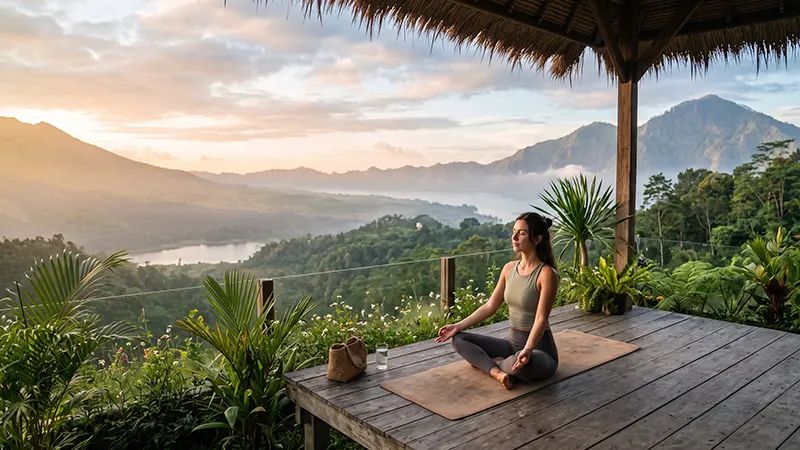
Rest can be difficult to find when daily life continues to ask for your attention. Even quieter evenings and free weekends can become filled with errands, messages and responsibilities. Thoughtfully planned yoga retreats offer a different kind of break, giving you dedicated time to move gently, breathe more deeply and step back from your usual routine. With supportive teaching, peaceful surroundings and a slower pace, a retreat can create the conditions needed for meaningful physical and mental rest.
Why Everyday Rest Does not Always Feel Restorative
Sitting down at the end of a busy day does not always help the mind settle. You may have stopped working, yet still find yourself thinking about unfinished tasks, upcoming plans or other people’s needs.
A retreat creates a clear boundary between daily responsibilities and personal time. Without the usual demands competing for attention, it becomes easier to notice how you feel and what your body needs. Meals are unrushed, movement is guided and there is time to rest without feeling that you should be doing something else.
This change of pace can help you recognise just how much tension you have been carrying.
A Chance to Reconnect with Your Body
Long periods spent at a desk, driving or looking at a screen can leave the body feeling stiff and tired. Stress may also show itself physically through tight shoulders, shallow breathing, headaches or difficulty sleeping.
Yoga offers an opportunity to move with greater awareness. Gentle postures can ease tension, support mobility and help you become more conscious of your breathing. Retreat sessions are usually paced carefully, allowing time to understand each movement rather than rushing through a sequence.
Restorative and Yin practices may also be included. These quieter forms of yoga use supported positions and longer holds to encourage the body to soften. The aim is not to achieve a perfect pose, but to find a position that feels comfortable and steady.
You do not Need to be Experienced
Many people delay joining a retreat because they feel they are not flexible, fit or confident enough. A supportive retreat should welcome complete beginners alongside people who already have an established practice.
Experienced teachers can demonstrate postures clearly and offer different options so each guest can move at a suitable pace. Blocks, straps and bolsters may be used to make positions more accessible and comfortable. You should also feel free to rest or pause whenever you need to.
A retreat can be a reassuring introduction to yoga because there is more time to ask questions and become familiar with the foundations. Small groups can make the experience feel more personal, particularly for anyone who feels nervous about joining alone.
What a Balanced Retreat may Include
Yoga is usually at the heart of the experience, but the schedule should also leave room for quiet, reflection and simple enjoyment. Depending on the retreat, the programme may include:
- Gentle morning yoga to wake up the body
- Breathing practices to calm the mind
- Guided meditation or mindfulness
- Restorative yoga or Yoga Nidra
- Nourishing meals and refreshments
- Time for walking, reading or resting
- Wellbeing sessions or treatments
- Unstructured time to enjoy the surroundings
A well-planned schedule offers guidance without making every moment feel organised. Taking part should feel inviting rather than demanding, with space to choose what supports you on the day.
The Setting can Support a Slower Pace
Where a retreat takes place can shape the way it feels. Countryside locations, coastal surroundings and peaceful rural venues offer a welcome contrast to busy roads, crowded spaces and constant notifications.
Natural surroundings often make it easier to slow down. A quiet walk, an open view or a few minutes sitting outside can create a sense of space that is difficult to find during an ordinary week. Comfortable accommodation and calm practice areas also help guests settle into the retreat without unnecessary distractions.
The setting does not need to be extravagant. What matters is that it feels peaceful, welcoming and suited to rest.
Time Alone without Feeling Isolated
Joining a retreat alone can feel like a big step, yet many guests choose to attend independently. Shared meals and group sessions provide natural opportunities to talk, while quieter parts of the schedule allow everyone to enjoy personal space.
There is no need to arrive with someone else or feel pressure to socialise constantly. A warm group atmosphere can help conversation develop naturally, often between people who have joined for similar reasons. Some may be managing busy careers or family responsibilities, while others simply feel ready to devote more time to their wellbeing.
This balance of gentle connection and uninterrupted personal time is one of the qualities that can make a retreat feel so supportive.
Bringing a Sense of Calm Home
The value of a retreat can continue after you leave. Time away may help you understand which habits support you and which parts of your routine leave you feeling depleted.
Breathing techniques can be used before a difficult meeting or during a stressful day. Simple stretches can ease tension after sitting for long periods. A short meditation can create a quiet transition between work and home. You may also return with a clearer understanding of how rest affects your mood, focus and energy.
These practices do not need to take up large parts of the day. Even a few mindful minutes can help you reconnect with the calmer rhythm experienced during the retreat.
Choosing an Experience that Feels Right
Before booking, look carefully at the pace, group size and style of teaching. Check whether beginners are welcome, what is included and how much free time is built into the programme. It is also helpful to understand the accommodation, meal arrangements and equipment provided.
The right retreat should feel supportive rather than intimidating. Clear information and approachable teachers can make it easier to ask questions before committing. Pay attention to how the experience is described. Language centred on care, choice and personal comfort often reflects an environment where guests are encouraged to listen to their bodies.
If you are ready to make more room for calm, movement and meaningful rest, The Yoga Collaboration offers carefully planned retreats alongside yoga, Pilates and wellbeing sessions. Its supportive approach, experienced teachers and peaceful settings create welcoming opportunities to pause, reconnect and return home feeling more grounded.

