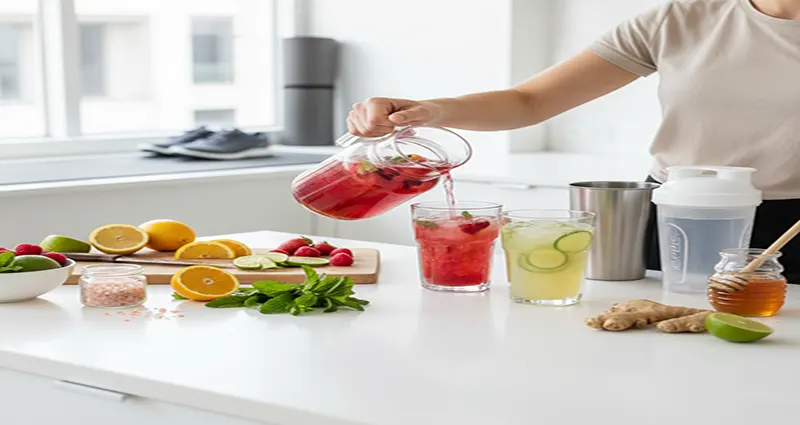
The Best Homemade Electrolyte Healthy Drink Recipes for Post-Workout Recovery: Natural & Low-Sugar Hydration

After an intense workout, your body needs more than just water; it needs a precise balance of electrolytes—minerals like sodium, potassium, and magnesium—that are essential for muscle function, nerve signaling, and fluid balance. While commercial sports drinks promise optimal hydration, they often deliver excessive amounts of sugar, artificial colors, and synthetic ingredients.

The solution? Making your own! Harnessing the power of natural ingredients provides the best homemade electrolyte healthy drink recipes for post-workout recovery, giving you effective, low-sugar hydration tailored perfectly to your needs.

The Electrolyte Essentials: Your Natural Ingredient Guide

A successful DIY sports drink requires a source for the main electrolytes lost through sweat, plus a small amount of carbohydrate to speed up water absorption and replenish energy stores.

  • Sodium: A tiny pinch of high-quality sea salt or Himalayan salt is critical. Sodium helps maintain fluid balance, prevent cramping, and ensures rapid absorption of the liquid you
Continue Reading >>>
The Best Preventative Medical Tips for Reducing High Blood Pressure Naturally: Lifestyle Changes That Work

High blood pressure, or hypertension, is often called the “silent killer” because it frequently shows no symptoms yet significantly increases the risk of heart attack, stroke, and kidney disease. While medication is sometimes necessary, lifestyle modification is universally considered the first line of defense and can often prevent or significantly lower elevated blood pressure naturally. Focusing on consistent, evidence-based changes provides the best preventative medical tips for reducing high blood pressure naturally that you can implement in your home today.

The Diet Fix: Mastering Sodium and Minerals

What you eat is the single most powerful tool you have for controlling blood pressure.

  • Tip 1: Reduce Sodium Drastically. The vast majority of sodium intake comes from processed, packaged foods, not the salt shaker. To start reducing high blood pressure naturally, aim for an intake of no more than 1,500 mg per day, particularly if you have existing hypertension. Focus on
Continue Reading >>>
Quick and Easy Nutrition Tips for Reducing Chronic Inflammation Naturally: Your Plate is Your Pharmacy

Chronic inflammation is a silent threat. Unlike acute inflammation—the beneficial redness and swelling that happens when you cut your finger—chronic inflammation is a low-grade, long-term state linked to many serious conditions, including heart disease, diabetes, and autoimmune disorders. The good news? Your diet is the single most powerful tool you have to control it. You don’t need complicated protocols; you just need quick and easy nutrition tips for reducing chronic inflammation naturally that you can implement today.

The Kitchen Cleanup: Foods to Reduce

The fastest way to lower your inflammatory burden is by removing the foods that actively provoke it. These swaps are simple but incredibly impactful:

  • Refined Sugar: Sugar is a major trigger for inflammation. It hides in sodas, fruit juices, and processed snacks.
    • Quick Swap: Instead of reaching for a sugary drink, swap it for plain water, sparkling water, or unsweetened green tea.
  • Processed Meats: Foods like hot
Continue Reading >>>
The Essential Daily Self-Care Medical Tips for Managing Type 2 Diabetes at Home

Managing Type 2 diabetes is not a once-a-week task; it is a dedicated, daily job. For the millions of individuals navigating this condition, understanding that consistent self-care is the key to preventing serious complications and maintaining a high quality of life is paramount. By integrating specific, non-negotiable medical and lifestyle habits into your routine, you can gain greater control over your health. These daily self-care medical tips for managing Type 2 diabetes at home are designed to empower you to keep your blood sugar in its target range.

The Monitoring Priority: Tracking Your Success

The data you collect at home is arguably the most valuable tool in diabetes management. Without consistent monitoring, you are operating blindly.

  • Tip 1: Consistent Glucose Checks. Make checking your blood sugar a fixed part of your daily diabetes routine. Work with your doctor to determine when to test (e.g., first thing in the morning,
Continue Reading >>>