
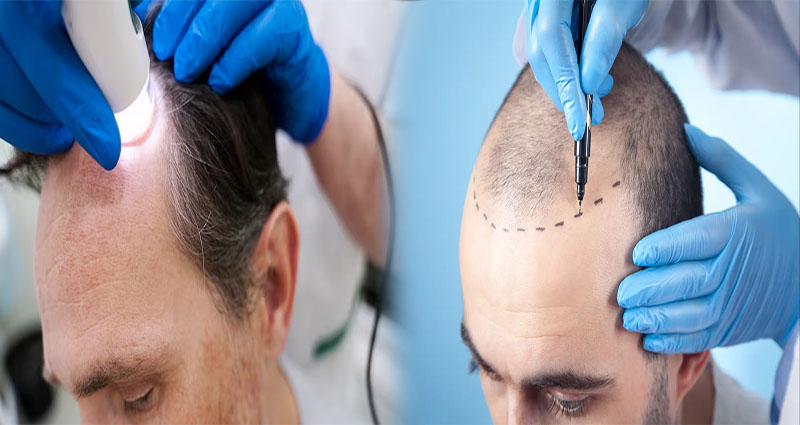
Factors Affecting the Success Rate of Hair Transplant Procedures
Hair transplant procedures have become increasingly popular as a permanent solution for hair loss and balding. While advancements in technology and techniques have improved the success rates of these procedures, several factors can still influence the outcome of a hair transplant. Understanding these factors is crucial for ensuring a successful and satisfactory result. Here are some key factors that can affect the success rate of hair transplant procedures:
1. Candidate Eligibility
The success of a hair transplant procedure often depends on the candidate’s eligibility. Factors such as the extent of hair loss, hair texture, scalp condition, and overall health can impact the outcome of the procedure. Candidates with sufficient donor hair, good scalp laxity, and realistic expectations are more likely to achieve successful results.
2. Surgeon’s Experience and Skill
The expertise and skill of the surgeon performing the hair transplant play a significant role in determining the success rate of … Continue Reading >>>

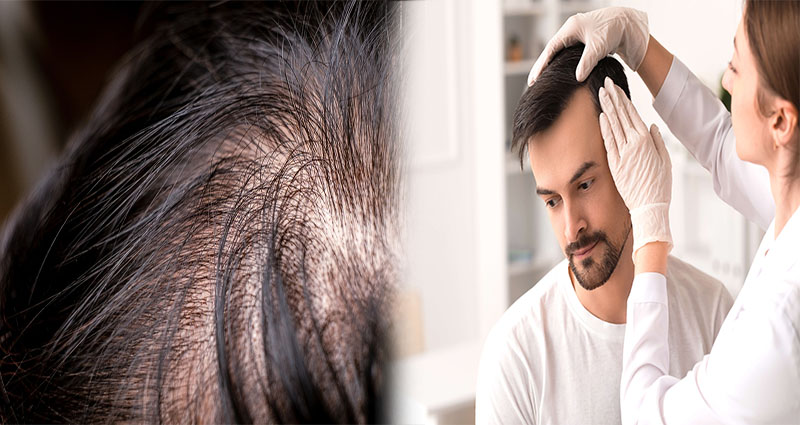
How to Identify Vitamin Deficiencies that Cause Thinning Hair and Hair Loss
Thinning hair and hair loss can be distressing for both men and women, and one common underlying cause can be vitamin deficiencies. Identifying these deficiencies is crucial in addressing the issue and promoting healthy hair growth. Here are some important vitamins to consider and how to recognize potential deficiencies that may be contributing to thinning hair and hair loss.
1. Vitamin A
While vitamin A is essential for hair growth, an excess of it can actually lead to hair loss. Signs of a vitamin A deficiency include dry, itchy scalp, and hair that looks dull and lacks moisture. Conversely, an excess of vitamin A may lead to hair thinning and shedding.
2. B Vitamins (Biotin, B12)
Biotin (B7) and B12 are crucial for maintaining healthy hair growth. A deficiency in biotin can result in brittle hair and hair loss, while a lack of vitamin B12 can lead to premature graying … Continue Reading >>>

Best Foods for Promoting Hair Growth and Thickness Naturally
Having thick, luscious locks is a common desire for many people looking to improve the health and appearance of their hair. While external hair care products are important, the key to healthy hair starts from within. One of the most effective ways to promote hair growth and thickness naturally is through a balanced diet rich in essential nutrients. Let’s explore some of the best foods you can incorporate into your diet to support optimal hair health.
1. Eggs
Eggs are a powerhouse of nutrients that are essential for hair growth, including protein, biotin, and zinc. These nutrients help strengthen the hair follicles and promote healthy hair growth.
2. Salmon
Salmon is rich in omega-3 fatty acids, which are essential for maintaining scalp health and supporting hair growth. The protein content in salmon also helps promote strong, healthy hair.
3. Spinach
Spinach is a great source of iron, which is essential … Continue Reading >>>

The Average Success Rate of Hair Transplants for Male Pattern Baldness
Male pattern baldness, the most common type of hair loss among men, affects up to 70% of men at some point in their lives. While some men choose to embrace their baldness, others seek a solution through hair transplant surgery. But what is the average success rate of hair transplants for male pattern baldness?
Understanding Hair Transplant Surgery
Hair transplant surgery involves removing hair follicles from one area of the scalp (the donor area) and transplanting them to another area (the recipient area) that is thinning or balding. There are two methods of hair transplant surgery: Follicular Unit Transplantation (FUT) and Follicular Unit Extraction (FUE).
In FUT, a strip of skin with hair follicles is removed from the donor area and separated into individual hair follicles. In FUE, individual hair follicles are extracted directly from the donor area.
The success of a hair transplant depends on various factors such as … Continue Reading >>>

Which Vitamin Deficiencies are Linked to Hair Loss in Adults
Hair loss is a common concern for many adults, and while genetics and aging play a significant role, vitamin deficiencies can also contribute to this issue. In this article, we will explore the link between vitamin deficiencies and hair loss in adults, offering insights into the importance of key vitamins for maintaining healthy hair.
Vitamin D
Vitamin D is known for its role in bone health, but it also plays a crucial part in hair follicle cycling. Research has suggested that vitamin D deficiency may be linked to hair loss, as it can lead to disruptions in the hair growth cycle. To ensure adequate vitamin D levels, spending time in the sun and consuming vitamin D-rich foods, such as fatty fish and fortified dairy products, is essential.
Vitamin B7 (Biotin)
Biotin, also known as vitamin B7, is a key player in the maintenance of healthy hair, skin, and nails. A … Continue Reading >>>