
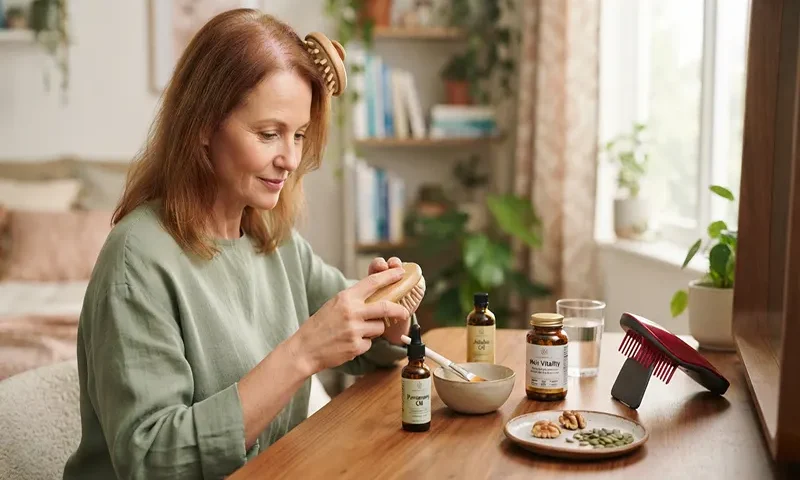
Experiencing female pattern hair loss (FPHL) can feel daunting, prompting many women to seek gentle, empowering, and natural ways to care for their scalps from the comfort of home. The desire to incorporate botanical remedies, soothing rituals, and targeted dietary adjustments into a daily routine is completely understandable. However, navigating the world of home remedies requires a grounded, evidence-based perspective. While natural treatments can significantly support scalp health, improve local microcirculation, and optimize the follicular environment, they work best as complementary therapies rather than total replacements for medical care. A balanced, integrative approach blending evidence-based home rituals with professional dermatological oversight yields the most realistic and rewarding outcomes for hair density.
To understand why a strategic focus is necessary, one must review the underlying mechanism of FPHL, also known as androgenetic alopecia. This condition is primarily driven by genetic sensitivities and hormonal fluctuations that lead to the progressive miniaturization of hair follicles, shortening their growth phase. Because the root cause is internal and physiological, superficial home fixes—such as random commercial volumizing shampoos or generic DIY kitchen masks—frequently fail because they do not penetrate the scalp barrier to address local microcirculation, inflammation, or androgen activity. Effective natural home treatments must therefore target these biological pathways directly, acting as supportive allies to any broader medical management plan.
Fortunately, several botanical oils and scalp serums possess clinical backing for their ability to support hair health. Among them, rosemary oil has gained substantial scientific recognition, with studies indicating its efficacy in improving microcirculation and encouraging healthy scalp stimulation. Similarly, pumpkin seed oil has emerged as a valuable natural remedy due to its potential 5-alpha-reductase inhibiting properties, which may help locally block the enzymatic conversion of testosterone to dihydrotestosterone (DHT) around vulnerable follicles. Additionally, peppermint oil contains menthol, a compound that induces vasodilation, increasing vital blood flow and nutrient delivery to starving hair roots. When utilizing these powerful botanicals, safety is paramount: essential oils must always be properly diluted in a nourishing carrier oil—such as cold-pressed jojoba, argan, or castor oil—at a safe concentration to prevent contact dermatitis or skin irritation.
Beyond topical botanicals, mechanical stimulation through scalp massage is a powerful, zero-cost home treatment. The physiological science behind scalp massage demonstrates that the mechanical stretching of dermal cells downregulates the expression of genes associated with inflammation and hair loss while stimulating dermal papilla cells to promote growth. Incorporating a simple routine—using your fingertips or a soft silicone scalp massager to apply gentle, firm circular pressure for five to ten minutes daily—can dramatically enhance tissue perfusion. For those looking to advance their home regimen, safe at-home microneedling (collagen induction therapy) can be explored, provided there is strict adherence to hygiene, appropriate needle lengths under professional instruction, and careful coordination with a dermatologist to avoid micro-trauma complications.
Internal support forms the foundational pillar of any natural hair care strategy. Incorporating anti-inflammatory, antioxidant-rich whole foods, high-quality protein, and phytoestrogen-rich foods—such as ground flaxseeds or organic soy—can gently support overall hormonal balance and provide the structural amino acids necessary for keratin production. Furthermore, because psychological stress elevates systemic cortisol and inflammatory cytokines that exacerbate shedding, integrating daily stress reduction techniques like mindfulness, restorative yoga, or breathwork is crucial for protecting the delicate hair cycle.
Ultimately, successful natural home management of FPHL requires consistency, realistic expectations, and integration with professional care. Hair follicles operate on a slow biological timeline, meaning natural therapies demand months of dedicated application before visible shifts occur.
If you are beginning a home-based regimen, take a proactive step by consulting a board-certified dermatologist first. An expert can help you establish an accurate baseline, evaluate underlying triggers, and ensure your natural treatments safely complement your overall care plan. By combining evidence-based botanical support with expert clinical guidance, you can nurture your scalp, protect your existing hair density, and approach your wellness journey with confidence and peace of mind.

